
Chiropractic Techniques in Asheville, Explained
Most people picture one move when they hear the word chiropractor: a quick thrust along the spine and a loud pop. That is one technique, and it is a useful one, but it is far from the whole picture. Practices in and around Asheville use a much wider range of methods, including upper cervical work that focuses on the very top of the neck, corrective care aimed at posture and long-term alignment, soft tissue therapies, flexion-distraction, laser light therapy, and acupuncture.
Knowing what these techniques are, and what each one is typically used for, makes it easier to ask good questions and to understand why two people with the same complaint may be treated in completely different ways.
Why the Technique Matters More Than the Label
Chiropractic care is generally described as the use of spinal alignment to help with a wide variety of physical problems, including muscle strain, neck pain, and chronic back pain. The phrase covers a broad family of approaches, and the technique a chiropractor chooses depends on your history, your examination findings, your comfort level, and the goal of care.
A patient recovering from a car accident injury may need a different starting point than someone dealing with years of poor posture. Someone with recurring headaches may need attention at the top of the neck rather than the low back. The technique is a tool, and matching the tool to the problem is what separates a thoughtful plan from a generic one.
Spinal Adjustments and Manipulation
Spinal adjustment is the most familiar technique in chiropractic. The goal is to restore health and alignment to the spinal column and to improve how the joints of the spine move. When a segment is restricted or stuck, the surrounding muscles tend to tighten and compensate, and that pattern can contribute to pain, stiffness, and reduced range of motion. An adjustment introduces controlled movement at that segment, which is often followed by improved mobility and a noticeable release of tension.
Hands-On Manual Adjustments
In a manual adjustment, the chiropractor uses their hands to apply a specific, directed force to a joint. The familiar popping sound comes from gas releasing inside the joint, and it is not a sign of something cracking or breaking. Many Asheville practices describe their work as hands-on and gentle, with an emphasis on making long-term corrections to posture, body balance, and spinal health rather than chasing a quick crack. Patients often notice easier movement and less muscle guarding afterward.
Low-Force and Gentle Variations
Not everyone is comfortable with a traditional manual thrust, and not every spine should receive one. Gentle approaches use lighter, more controlled input, which can suit older adults, people with recent injuries, or anyone who feels tense at the thought of being adjusted. A gentle technique can still be specific. The difference is in the amount of force and the speed of the application, not in whether the work is precise.
Upper Cervical Chiropractic Care
Upper cervical care concentrates on the very top of the spine, where the skull meets the neck. This region protects the brainstem and houses a dense network of nerves, and it also carries a large share of the head's weight and movement. Because of that, small misalignments here can influence muscles far from the neck, and many people with headaches or migraines report that this area is where their symptoms begin.
Upper cervical techniques tend to be extremely precise and light. Rather than moving the whole neck, the chiropractor focuses on a single segment and uses a measured correction, then reassesses. Patients are often surprised by how little force is involved. Follow-up visits typically include checking whether the correction held, since the goal is stability over time and not repeated adjusting of the same spot.
Corrective Chiropractic Care
Corrective care takes a longer view. Instead of treating only the spot that hurts today, it looks at the underlying patterns that keep producing symptoms: forward head posture, uneven shoulders, a pelvis that tilts, or a spine that has lost its natural curves. These patterns usually develop slowly, often over years of desk work, driving, phone use, or old injuries that never fully resolved.
Corrective plans combine adjustments with postural physiotherapy and home exercises. Progress is measured over weeks and months rather than in a single visit, and the aim is to change the structure and habits that created the problem. This approach appeals to people who have tried symptom-based treatment before and want results that last.
Soft Tissue Therapies That Support the Adjustment
Muscles, fascia, and connective tissue hold the spine where it is. If tight tissue pulls a joint back out of alignment, an adjustment alone may not hold. That is why many practices pair spinal work with soft tissue treatment, and why the combination often produces better and longer-lasting results than either approach on its own.
Massage and Myofascial Release
Massage therapy relaxes tight muscles and improves circulation to an area that has been guarded or overworked. Myofascial release works on the fascia, the web of connective tissue that surrounds muscle. Restrictions in fascia can feel like a constant pull or a band of tightness. Slow, sustained pressure helps those restrictions release, which can make an adjustment easier to perform and easier to keep.
Trigger Point Therapy
Trigger points are taut, tender knots within a muscle that can refer pain to other parts of the body. A trigger point in the upper back, for example, may produce pain that feels like it is in the shoulder or head. Trigger point therapy applies focused pressure to these spots to reduce the knot and the referred pain it creates.
IASTM and Kinesio Taping
IASTM stands for instrument-assisted soft tissue mobilization. A smooth instrument is moved across the skin over an area of scar tissue or restriction, which helps the tissue remodel and improves mobility in the surrounding joints. Kinesio taping is different. Elastic tape is applied over muscles and joints to support them during movement, reduce strain, and give the body feedback about its position, which can be helpful between visits while a correction is settling in.
Flexion-Distraction and Decompression Techniques
Flexion-distraction uses a specialized table that gently stretches and flexes the spine in a controlled rhythm. It is commonly used for disc-related back pain and for patients who do not want a forceful adjustment, because the movement is slow and the pressure on the disc is reduced rather than increased.
Some Asheville offices also offer Y-strap decompression, a technique in which a strap is used to create a gentle, sustained traction through the spine while the patient lies face down. The aim is to open space between vertebrae and reduce pressure on irritated structures. Both approaches are non-invasive and drug-free, which is a major reason people seek them out for ongoing back and neck problems.
Laser Light Therapy
Class IV laser therapy delivers therapeutic light energy deep into tissues to reduce inflammation, relieve pain, and support healing. It is non-invasive and typically feels like warmth rather than anything sharp or uncomfortable. Because it works at the tissue level, it is often used alongside adjustments and soft tissue work, particularly for injuries that involve inflammation or slow-healing tissue.
Acupuncture Alongside Chiropractic
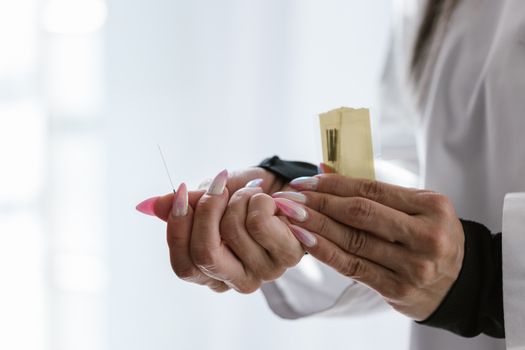
Some clinics include acupuncture as part of a broader plan. Acupuncture uses fine needles at specific points to influence pain signaling, muscle tension, and the nervous system's overall response to stress. For patients dealing with chronic pain, headaches, or persistent tension, combining acupuncture with chiropractic care gives the body more than one route toward the same goal.

Postural Physiotherapy and Rehabilitation
An adjustment changes alignment in the moment. Postural physiotherapy and rehabilitation work help the body hold that change. Strengthening weak muscles, stretching tight ones, and retraining movement habits address the reason the problem developed in the first place. This is also where posture and scoliosis-focused care fits, since reducing strain on the body caused by poor posture takes consistent, targeted work rather than a single visit.
How to Choose the Right Approach in Asheville
The right technique is the one that matches your examination findings and your goals, and it should be explained to you in plain language before it is used. A few things are worth looking for when comparing practices in the area:
- An examination and history before any treatment, not a one-size-fits-all adjustment.
- A clear explanation of what was found and why a particular technique was chosen.
- A treatment plan with defined goals and a way to measure progress.
- Willingness to combine methods, such as adjustments with soft tissue work or postural rehab.
- Honest conversation about what chiropractic can and cannot address.
If a technique you read about here is not offered at a particular office, that does not make the office a poor choice, and if a technique you want is not offered, ask. Many practices will refer you to a colleague who uses it. The important thing is that the approach fits your body and your situation rather than the other way around.
Frequently Asked Questions
What is the most effective chiropractic technique?
There is no single technique that outperforms all others for every person. Effectiveness depends on the diagnosis, your age, your injury history, and how your body responds. Upper cervical work may suit recurring headaches, flexion-distraction may suit disc-related back pain, and soft tissue therapies may be needed to help an adjustment hold. A thorough examination is what determines the right starting point.
What is a red flag that chiropractic care may not be right for me?
New or worsening neurological symptoms deserve medical evaluation before any spinal treatment. These include progressive numbness, weakness, loss of bladder or bowel control, or pain following a significant trauma. The same applies to fever, unexplained weight loss, or a history of cancer. A responsible chiropractor screens for these during the initial consultation and refers out when chiropractic care is not appropriate.
Can a chiropractor help with heel spurs?
Heel spurs are diagnosed through imaging and are usually managed by a podiatrist or a physician. Chiropractors may assess how foot, ankle, and pelvic mechanics contribute to lower-limb strain, but a heel spur itself is not a spinal problem. If you have persistent heel pain, get a proper diagnosis first, then ask whether structural or postural work would be a useful addition.
How do I find a chiropractor in Asheville who uses these techniques?
Ask directly. Call or check the website of a practice and ask which techniques they use, how they examine new patients, and what a typical plan looks like. Look for specific answers rather than general promises. A practice that explains its methods clearly and tells you honestly whether it can help is usually a good sign, regardless of which techniques it offers.


